SagaSync
My goal was to explore the interactions people experience with their cars as spaces for solitude. Focusing on exploring a futuristic possibility rather than practicality.
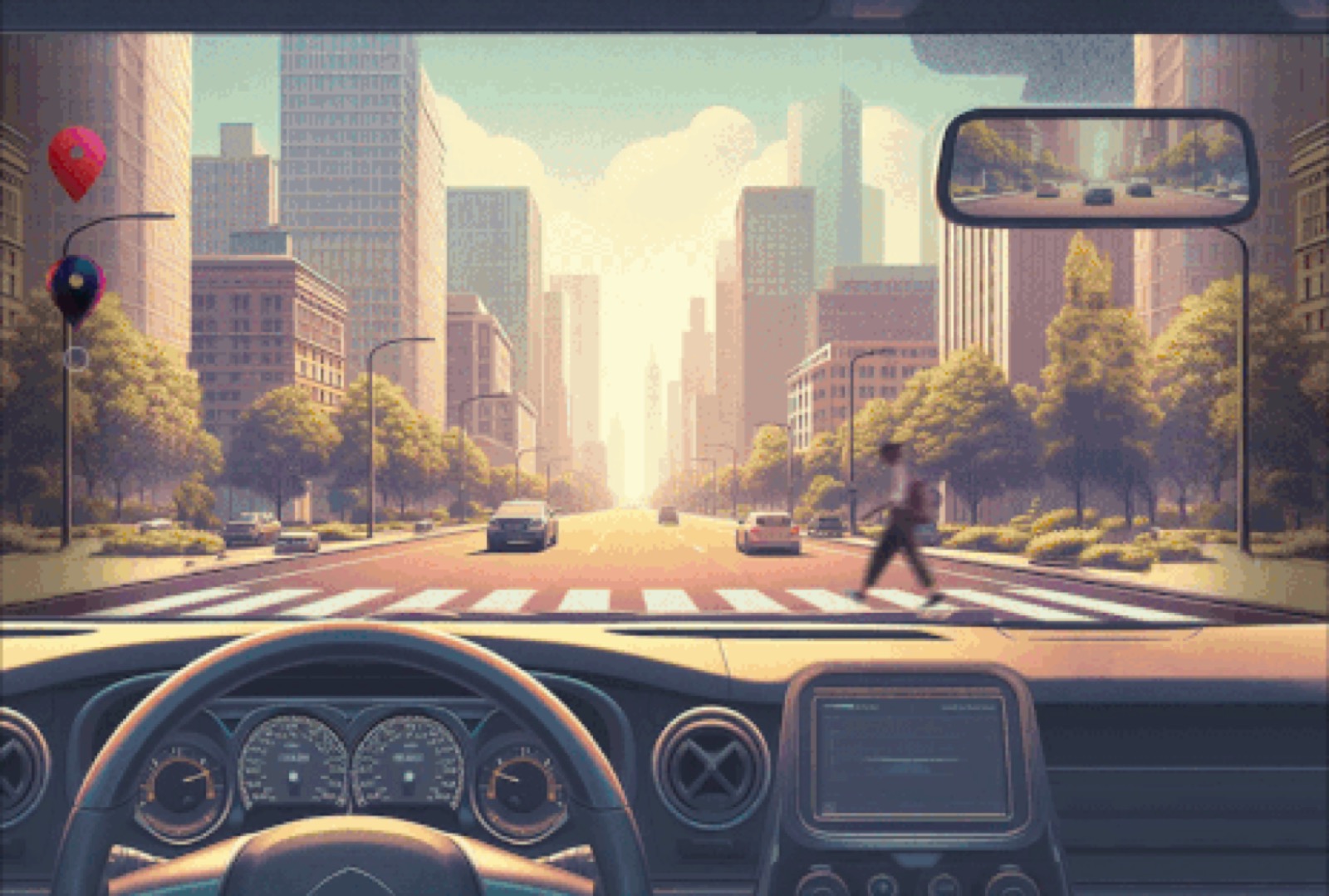
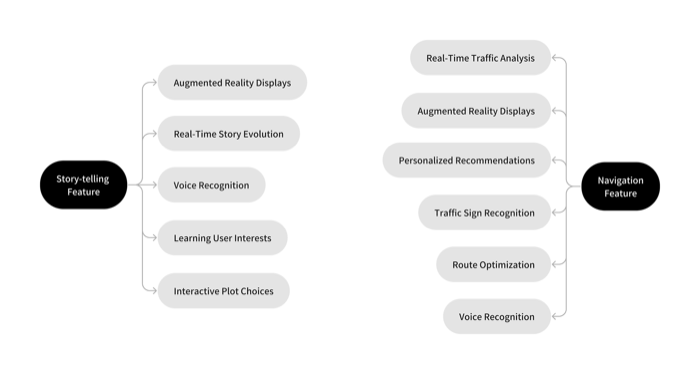
SagaSync is a reimagining of the next generation of navigation systems. The navigation feature leverages advanced AI to optimize destination searches, intelligently comparing options and selecting the most suitable one based on the user's individual preferences.
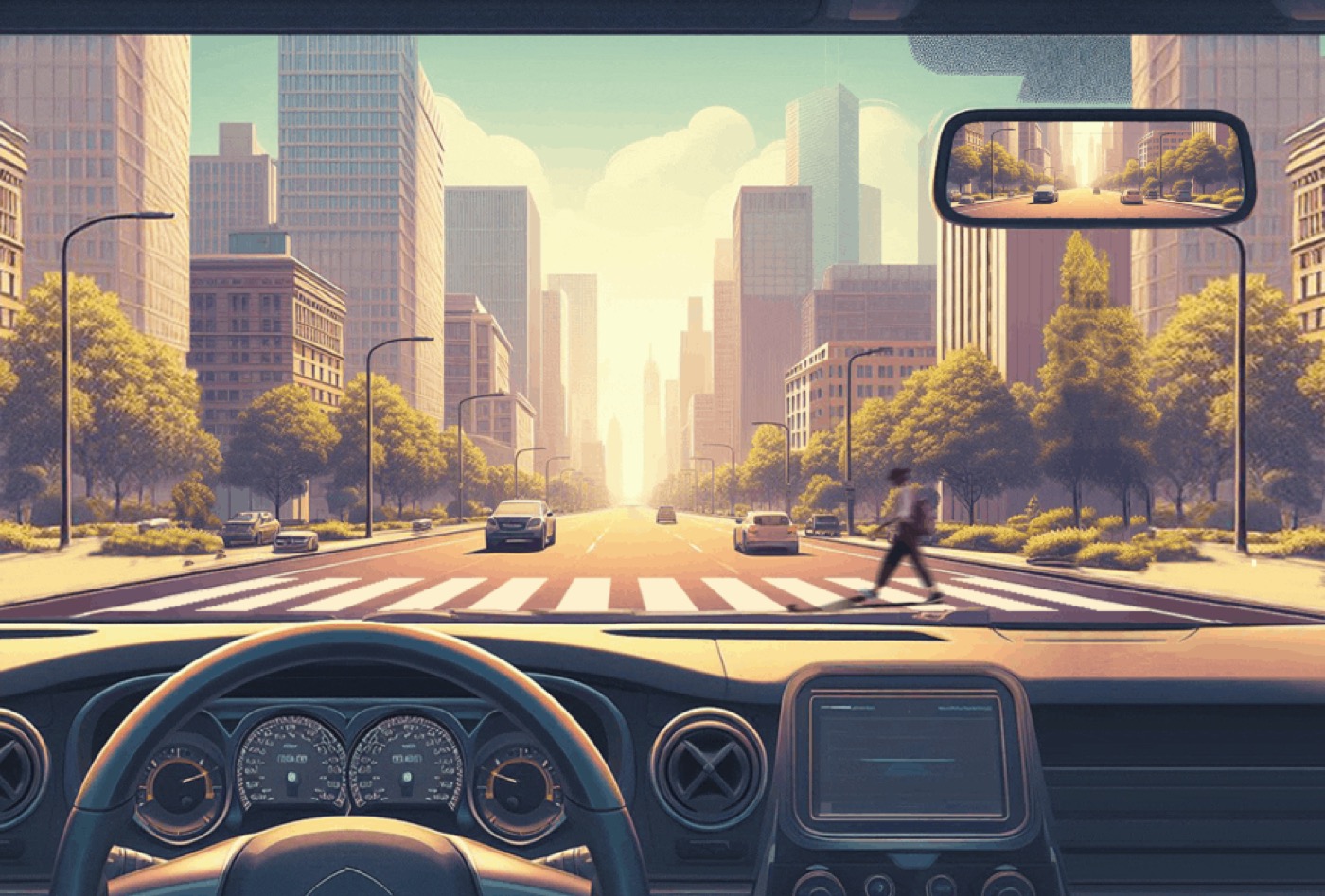
Additionally, the system introduces an interactive feature that allows users to engage in a dynamic dialogue with the AI. This conversation unfolds into a storytelling experience, transforming into a visual reimagining of the city—depicting the urban landscape as if it were the setting of the narrative.
Problem
How might we design a navigation system that seamlessly integrates into the driving experience to enhance the driver’s focus? How can I create a system that transforms the car into a personalized space for relaxation and creativity?
Outcome
I designed a prototype for a Head-Up Display system on a windshield that personalizes navigation with AI, optimizing routes based on preferences and transforming cityscapes into immersive, story-driven visuals.
I designed an app to help me avoid saying things like:
I think we missed the exit! 😢
Final Design
- The user puts the car in self-driving mode.
- The user initiates a conversation with the system by saying, “Can you tell me a story?”
- The system responds, “What kind of story do you want to hear?”
- The user provides a prompt, for example: “Tell me a story about a town on a starry night with golden people.”
- The system accesses a 3D model of the city and the user’s current location.
- It scans the surrounding buildings and objects using the model and transforms them into variations that fit the story’s theme.
- The altered surroundings are displayed, creating an immersive visual backdrop that supports the narrative of the story.
User Research & personas
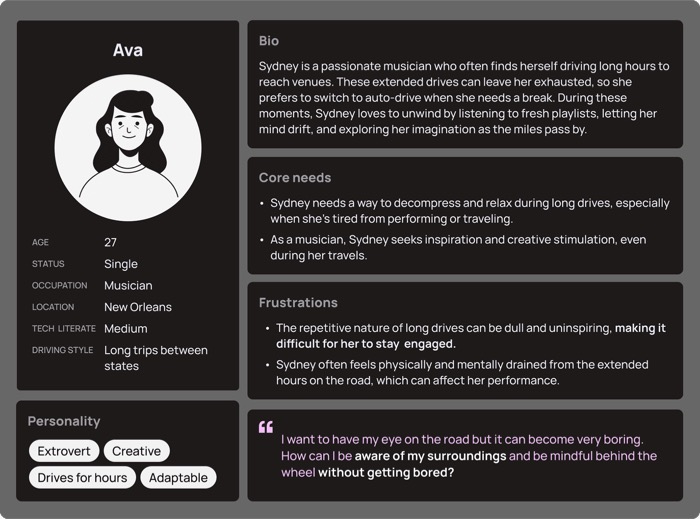
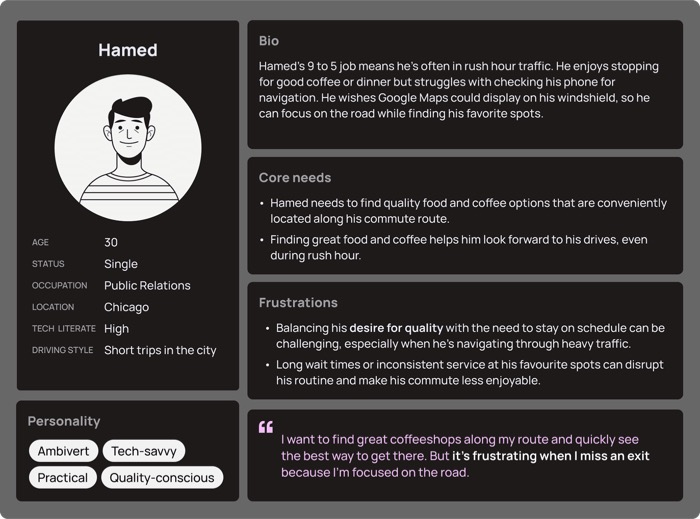
I interviewed five participants (mostly young professionals), focusing on these exploratory questions:
- How do you currently use navigation systems in your daily life, and what features do you find most and least helpful?
- If your car could offer interactive features beyond navigation, what would you want it to do to enhance your driving experience or personal time within the car?
- How do you use this space in your car for activities other than driving?
Research — Key findings
I discovered that users see their car as more than just a mode of transportation; it's also a personal space where they recharge, find solitude, clear their minds, and escape the chaos of daily life.
With this in mind, I sought a system that addresses two primary needs:
- A navigation solution that simplifies route guidance, allowing users to stay focused on the road without juggling multiple screens and destination options.
- An interactive feature that encourages creativity and fun, making the driving experience more engaging and enjoyable.
•••
What if your car could provide an escape, when you need a break from reality?
•••
Brainstorming solutions
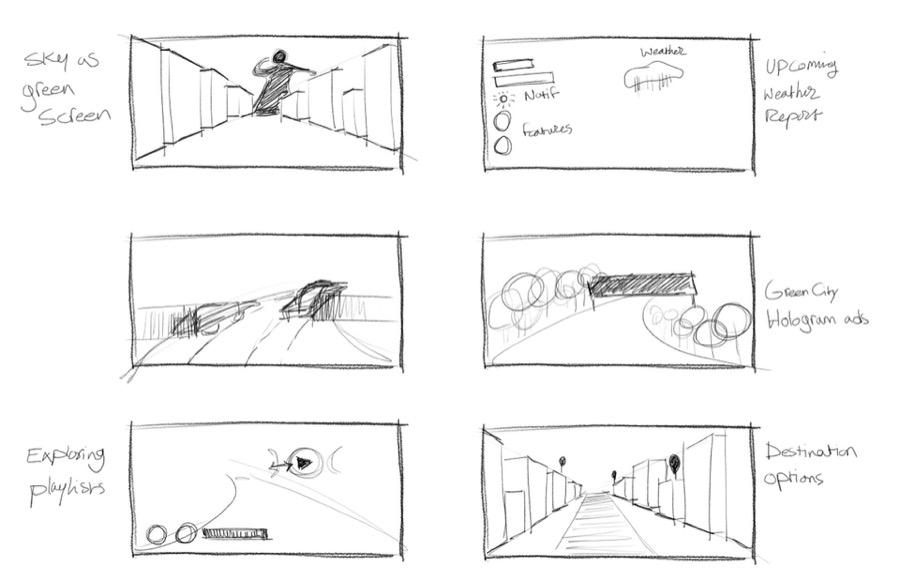
I then began sketching and implementing these suggestions into a HUD (Head Up Display) system to explore what it might look like.
How does the system work?
The system operates using three different mechanisms.
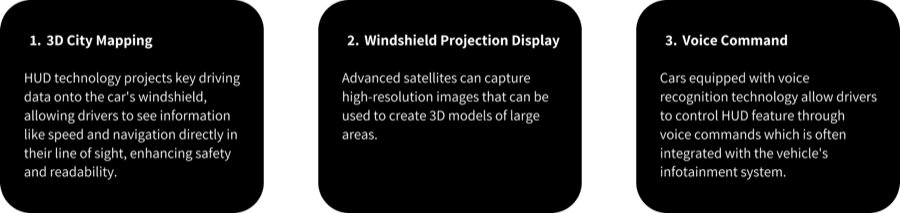
Using 3D mapping of the city, the system can project navigation instructions directly onto the windshield.
What role can AI play in this?
I wanted to take advantage of how AI can make this system more user-friendly and create a dialogue with the user. It can optimize and enhance the capabilities of the system by introducing a layer of interactivity and personalization that will be the key element in future systems. This will make each experience more engaging while adapting in real-time to user inputs and preferences.
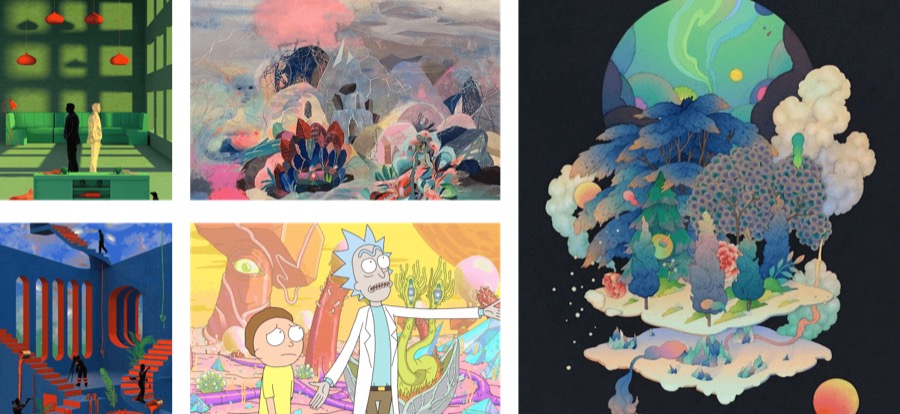
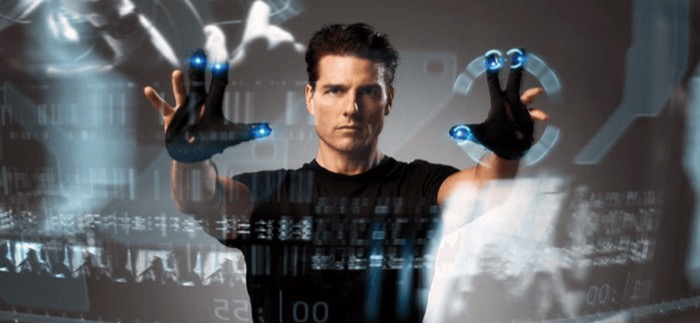
Yes to Rick n Morty,
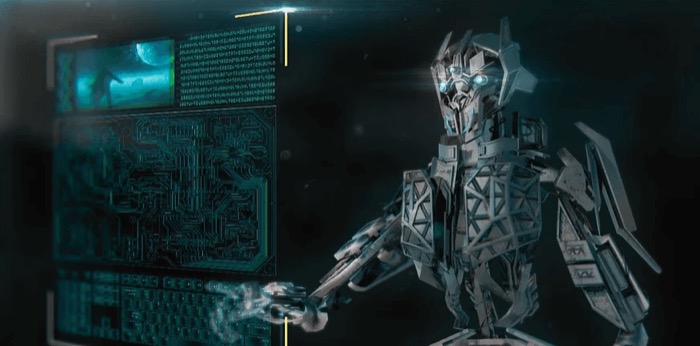
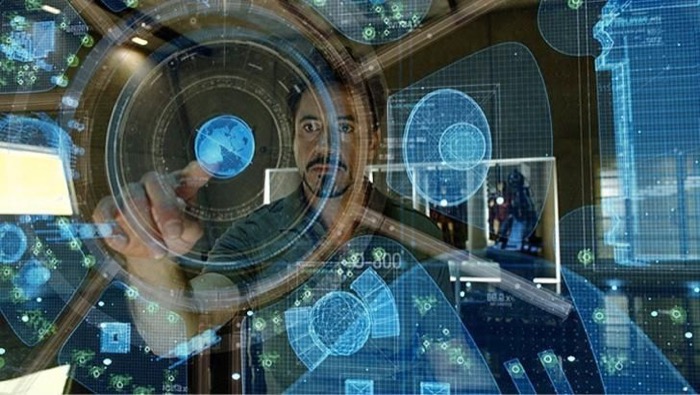
No to Tom Cruise
I always felt a little frustrated about the repetitive image of how the future looks like, a neon-lit and minimal aesthetic. I was excited (or maybe stubborn) to explore something different, something closer to what Rick n Morty looked like.
I focused on rich colors and creative elements to infuse the space with energy and inspire creativity, making it a lively and engaging environment.